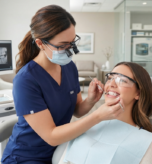
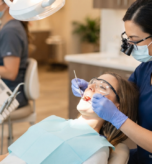
Tooth loss can significantly affect your quality of life—impacting your ability to eat, speak, and smile with confidence. For decades, dentures have been the go-to solution for missing teeth, providing an affordable and accessible way to restore both function and aesthetics. However, advancements in modern dentistry have introduced several fixed alternatives that offer better comfort, stability, and natural appearance. Among these, dental bridges have become one of the most popular choices for patients seeking a more permanent solution.
If you’re considering tooth replacement options, it’s essential to understand how traditional dentures compare with fixed dental bridges. This guide explores both solutions—their advantages, disadvantages, and suitability—so you can make an informed decision that aligns with your lifestyle and dental health goals.
Understanding Traditional Dentures
Dentures are removable prosthetic appliances designed to replace multiple missing teeth. They can be either full dentures, which replace all teeth in the upper or lower jaw, or partial dentures, which fill in gaps where some natural teeth remain. Modern dentures are made from acrylic or flexible resin and are custom-fitted to match your mouth’s structure and gumline.
Dentures have long been valued for their affordability and non-invasive nature. They don’t require surgery or complex dental work, making them ideal for patients who have lost several teeth or who want a quick, budget-friendly solution.
Benefits of Traditional Dentures:
- Affordability: Dentures are typically less expensive than other tooth replacement options like dental implants or bridges.
- Non-invasive: Unlike implants, dentures do not require surgery or extensive dental procedures.
- Quick fabrication: Dentures can often be made and fitted within a few dental visits.
- Aesthetic improvement: Modern dentures are designed to look more natural and can dramatically enhance your smile and facial appearance.
- Removable design: They are easy to clean and maintain.
Drawbacks of Traditional Dentures:
While dentures are a great option for many, they come with a few limitations:
- Slippage and discomfort: Because dentures rest on the gums, they can shift or move when eating or talking.
- Bone loss: Dentures do not stimulate the jawbone, leading to bone resorption over time and changes in facial shape.
- Limited chewing efficiency: Some foods, especially sticky or hard ones, may be difficult to chew.
- Frequent adjustments: As your jawbone changes shape, dentures may require periodic relining or replacement.
- Shorter lifespan: Dentures typically last 5–8 years before needing replacement.
While dentures are still a reliable solution for many patients, dental technology now offers fixed alternatives like dental bridges that provide better comfort and long-term benefits.
What Are Dental Bridges?
A dental bridge is a fixed restoration used to replace one or more missing teeth by “bridging” the gap with artificial teeth anchored to adjacent healthy teeth or dental implants. Unlike dentures, bridges are permanently cemented into place and do not need to be removed for cleaning.
There are several types of dental bridges, including:
- Traditional Bridge: Uses crowns on adjacent teeth to support the replacement tooth (pontic).
- Cantilever Bridge: Supported on one side only, suitable when only one neighboring tooth is available.
- Maryland Bridge: Uses metal or porcelain wings bonded to the backs of adjacent teeth.
- Implant-Supported Bridge: Anchored by dental implants rather than natural teeth, providing exceptional stability and longevity.
Advantages of Dental Bridges Over Dentures
- Permanent and Stable Fit
Unlike removable dentures, dental bridges are fixed in place, offering greater stability and comfort. They do not slip or move, allowing you to speak and eat with complete confidence. - Natural Aesthetic Appeal
Modern bridges are made from tooth-colored materials such as porcelain or zirconia, giving them a natural appearance that blends seamlessly with your smile. - Bone and Tooth Preservation
Dental bridges prevent neighboring teeth from shifting into empty spaces and help maintain proper bite alignment. Implant-supported bridges also stimulate the jawbone, reducing the risk of bone loss. - Long-Term Durability
With proper care, dental bridges can last 10–15 years or even longer, making them a more permanent and reliable option compared to dentures. - Improved Chewing Efficiency
Bridges restore nearly full biting and chewing strength, allowing you to enjoy your favorite foods without worry. - Minimal Maintenance
Unlike dentures, which require daily removal and soaking, bridges can be cleaned just like natural teeth with regular brushing and flossing.
Comparing Dentures and Dental Bridges
- Comfort and Fit
Dentures rest on the gums and can cause soreness or slipping, especially if not fitted correctly. Dental bridges, on the other hand, are anchored securely, providing a natural and comfortable fit. - Aesthetic Results
While modern dentures look natural, dental bridges—especially porcelain or zirconia ones—mimic the translucency and gloss of real teeth more closely. - Maintenance
Dentures must be removed daily for cleaning and require special solutions to prevent bacterial buildup. Bridges, being fixed, are easier to maintain through regular brushing, flossing, and dental checkups. - Cost Comparison
Dentures are generally more affordable upfront, but bridges offer better long-term value as they last longer and require fewer adjustments. - Longevity
Dentures typically need replacement every 5–8 years due to wear and jawbone changes. Dental bridges, especially those supported by implants, can last well over a decade. - Bone Health
One of the biggest advantages of bridges—especially implant-supported ones—is that they help preserve jawbone health. Dentures, however, do not stimulate the jawbone, leading to gradual bone loss and facial sagging over time.
When Dentures Are Still a Good Option
Despite the benefits of bridges, dentures remain a practical choice for many patients. They are particularly suitable for those who:
- Have lost most or all of their teeth.
- Prefer a removable solution for cleaning convenience.
- Have insufficient bone density for implants.
- Need an affordable and quick replacement option.
In cases where bone resorption or gum issues are severe, dentures can be customized for comfort and stability. Additionally, advancements like implant-supported dentures now combine the affordability of dentures with the stability of implants, offering a hybrid solution.
When to Choose Dental Bridges
Dental bridges may be ideal if you:
- Are missing one to three consecutive teeth.
- Have strong, healthy adjacent teeth for support.
- Prefer a fixed and natural-looking restoration.
- Want a long-term, low-maintenance solution.
- Wish to prevent bone loss and maintain facial structure (with implant support).
Your dentist will assess your oral health, bone structure, and personal preferences to help you decide whether bridges or dentures are the best fit for your needs.
The Role of Dental Implants in Tooth Replacement
If you’re looking for an even more durable and natural option, dental implants are another alternative. Implants act as artificial tooth roots placed directly into the jawbone, supporting crowns, bridges, or dentures. They offer unmatched stability, prevent bone loss, and can last a lifetime with proper care.
Implant-supported bridges or dentures combine the best of both worlds—comfort and strength—making them a popular modern choice for full-mouth rehabilitation.
When choosing between dentures and dental bridges, the right solution depends on your dental health, budget, and lifestyle. Traditional dentures are affordable, accessible, and effective for full-mouth restoration. However, fixed dental bridges offer superior comfort, aesthetics, and long-term benefits—especially when supported by implants.
Discuss your needs with your dentist to find the option that best restores your smile, confidence, and oral function. Whether you choose removable dentures or fixed dental bridges, maintaining good oral hygiene and regular checkups will ensure your new smile lasts for years to come.