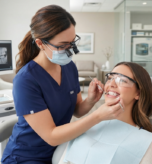
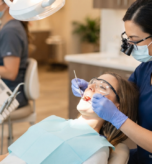
Crowded teeth can affect more than the appearance of your smile. When teeth overlap, twist, or do not have enough room to fit properly, keeping them clean can become more difficult. Over time, crowded teeth may contribute to plaque buildup, gum problems, uneven wear, and other oral health concerns.
Orthodontic treatment can help gradually move crowded teeth into better positions. By improving the alignment of the teeth and, when needed, the bite, orthodontic care can make daily oral hygiene easier while supporting a healthier and more functional smile.
What Is Dental Crowding?
Dental crowding occurs when there is not enough space in the mouth for the teeth to align properly. Instead of sitting evenly beside one another, some teeth may overlap, rotate, become tilted, or appear pushed forward or backward.
Crowding can vary from mild to severe. Some people may have only one or two overlapping teeth, while others may have significant alignment issues involving several teeth.
Crowding can develop for different reasons, including genetics, jaw size, tooth size, early loss of baby teeth, or changes in the position of teeth over time.
Why Can Crowded Teeth Be Difficult to Clean?
One of the biggest concerns associated with crowding is the challenge it can create for daily oral hygiene.
When teeth overlap or sit very close together, a toothbrush may not effectively reach every surface. Floss can also be more difficult to maneuver between tightly positioned teeth.
As a result, plaque and food particles may remain in areas that are harder to access. Without proper cleaning, this buildup can increase the risk of cavities and gum inflammation.
Improving tooth alignment can make it easier to reach these areas and maintain a consistent oral hygiene routine.
Can Crowding Affect Gum Health?
Crowded teeth may create areas where plaque accumulates more easily. When plaque is not removed effectively, the gums can become irritated and inflamed.
This may lead to symptoms such as:
- Red or swollen gums
- Bleeding during brushing or flossing
- Persistent bad breath
- Tenderness around certain teeth
Orthodontic treatment does not replace good oral hygiene, but properly aligned teeth can make cleaning more manageable.
Maintaining good brushing and flossing habits throughout orthodontic treatment is especially important because plaque can collect around orthodontic appliances as well.
Does Crowding Affect the Way You Bite?
Crowding can sometimes occur alongside bite problems. When teeth are not properly aligned, the upper and lower teeth may not meet evenly.
An uneven bite can place additional pressure on certain teeth during chewing. In some cases, this may contribute to uneven tooth wear or jaw discomfort.
Orthodontic treatment may help improve the relationship between the teeth so that biting and chewing are more balanced.
The exact approach depends on the individual’s alignment and bite. An orthodontic evaluation can help determine whether crowding is also affecting the way the teeth function together.
How Does Orthodontic Treatment Correct Crowding?
Orthodontic treatment works by applying controlled pressure to gradually guide teeth into improved positions.
Depending on the patient’s needs, treatment may involve traditional braces, clear aligners, or other orthodontic approaches.
Before treatment begins, the dentist or orthodontic provider evaluates the teeth, bite, jaw relationship, and available space. This assessment helps determine how the teeth need to move and which treatment approach may be appropriate.
Treatment is typically gradual. Teeth are moved in carefully planned stages rather than being repositioned all at once.
What Are the Benefits of Correcting Crowded Teeth?
Improving tooth alignment can provide both functional and oral health benefits.
Easier Daily Cleaning
Straighter teeth can make it easier to brush and floss between individual teeth. Better access can help reduce areas where plaque and food particles collect.
Improved Bite
When crowding is associated with an uneven bite, orthodontic treatment may help create a more balanced relationship between the upper and lower teeth.
Reduced Areas for Plaque Buildup
Correcting overlapping teeth can reduce some of the difficult-to-clean spaces created by crowding, supporting better oral hygiene.
More Even Tooth Wear
Improving alignment may help distribute chewing forces more evenly across the teeth, potentially reducing excessive wear on individual teeth.
A More Balanced Smile
Orthodontic treatment can also improve the overall appearance of the smile by bringing crowded or rotated teeth into a more orderly position.
Can Adults Have Crowded Teeth Corrected?
Yes. Orthodontic treatment is not limited to children and teenagers.
Many adults choose to address crowding that has existed for years or has become more noticeable over time. Depending on the individual’s needs, clear aligners or traditional braces may be considered.
Adults may also seek treatment because they have noticed that their teeth have shifted since previous orthodontic treatment or because maintaining oral hygiene has become difficult.
An evaluation can determine whether orthodontic treatment is appropriate and what options are available.
What Happens After Orthodontic Treatment?
Once the teeth have been moved into their planned positions, retention becomes an important part of maintaining the results.
Teeth can naturally shift over time, so a retainer may be recommended to help keep them aligned. Following the recommended retainer schedule can help protect the progress achieved during orthodontic treatment.
Regular dental visits also remain important after orthodontic treatment. A straighter smile still requires consistent brushing, flossing, professional cleanings, and preventive dental care.
When Should You Consider an Evaluation?
Crowding does not always cause obvious discomfort, so it can be easy to overlook. However, difficulty cleaning between certain teeth, frequent plaque buildup, changes in your bite, or noticeable overlapping may be reasons to have your alignment evaluated.
An orthodontic assessment can identify the extent of crowding and determine whether treatment could improve both the appearance and function of your smile.
Creating a Healthier, More Functional Smile
Crowded teeth are more than an aesthetic concern. When teeth overlap or rotate, they can create areas that are difficult to clean and may affect how the teeth come together during biting and chewing.
Orthodontic treatment can gradually improve alignment, making daily oral hygiene easier and helping create a more balanced bite. Whether you are considering treatment for yourself or your child, an evaluation can help determine whether correcting crowding could benefit your long-term oral health.
A healthier smile starts with understanding how your teeth are positioned and taking steps to keep them functioning well for years to come.