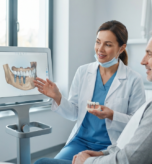
When you think about a dental exam, checking for cavities may be the first thing that comes to mind. While identifying tooth decay is an important part of your visit, a dental exam involves much more than simply looking for cavities.
Routine dental exams give your dentist an opportunity to evaluate your teeth, gums, bite, and overall oral health. They can also help identify potential concerns before they become more complicated or uncomfortable. Regular visits are an important part of maintaining a healthy smile and addressing dental problems early.
At Agave Dental Floresville, comprehensive dental exams are designed to look beyond individual teeth and provide a broader picture of your oral health.
What Happens During a Dental Exam?
A routine dental exam typically involves more than a quick visual check for cavities. Your dentist may examine different areas of your mouth to identify signs of dental concerns and determine whether additional care is needed.
Depending on your individual needs, an exam may include an evaluation of:
- Teeth and existing dental work
- Gums and surrounding tissues
- Bite and jaw alignment
- Signs of tooth decay
- Plaque and tartar buildup
- Tooth wear or damage
- Changes in the mouth or oral tissues
Your dentist may also recommend dental X-rays when appropriate. X-rays can provide a view of areas that cannot be seen during a regular visual examination, helping your dental team evaluate what is happening beneath the surface.
Dental Exams Can Help Detect Gum Problems
Healthy teeth are only one part of good oral health. Your gums also play an important role in supporting your teeth.
During a dental exam, your dentist can look for signs that may indicate gum problems, such as redness, swelling, bleeding, tenderness, or changes in the tissues surrounding your teeth.
Early gum concerns may not always cause noticeable discomfort. This is one reason regular dental visits are important. A problem that seems minor today may become more difficult to manage if it is left untreated.
Your dentist can also evaluate plaque and tartar accumulation and discuss professional cleanings or improved home-care habits when needed.
Your Dentist Looks for Signs of Tooth Damage
Not every dental problem begins with a cavity.
Teeth can become damaged from everyday use, grinding or clenching, accidents, acidic foods and drinks, or other factors. Small cracks, worn surfaces, chipped areas, and weakened teeth may need attention even when there is no obvious pain.
A dental exam gives your dentist the opportunity to identify changes in your teeth and determine whether they require monitoring or treatment.
Addressing certain problems early may help prevent further damage and preserve more of the natural tooth.
Dental Exams Can Evaluate Your Bite
Your bite refers to how your upper and lower teeth come together when you close your mouth.
Your dentist may evaluate your bite during an exam to look for signs of uneven tooth contact, excessive wear, jaw discomfort, or other concerns. Changes in your bite can sometimes develop gradually, making them difficult to notice on your own.
Evaluating your bite can also help your dentist understand patterns of tooth wear and determine whether additional evaluation may be appropriate.
Your Mouth Can Show Changes You May Not Notice
Another reason dental exams are important is that some oral health changes may not be obvious to you.
Your dentist examines the tissues inside your mouth, including areas around the cheeks, tongue, gums, and other oral structures. Changes in these areas may warrant closer evaluation or follow-up.
This does not mean every unusual change is a serious problem. However, having your mouth examined regularly gives your dental team an opportunity to identify changes and determine what, if anything, needs attention.
Dental Exams Help Track Changes Over Time
One dental visit provides a snapshot of your oral health. Regular visits allow your dentist to compare your current condition with previous examinations.
This can make it easier to identify changes such as:
- New areas of tooth wear
- Developing gum concerns
- Changes around existing restorations
- New tooth damage
- Shifts in your bite
- Changes in oral tissues
Keeping up with routine exams allows your dental team to build a better understanding of your individual oral health and provide care based on how your smile changes over time.
Prevention Is a Major Part of Your Dental Visit
A dental exam is not only about finding something that is already wrong. It is also an opportunity to prevent problems from developing or becoming more serious.
Your dentist can discuss brushing and flossing techniques, dietary habits, oral hygiene concerns, and other ways to protect your teeth and gums. Recommendations can be tailored to your specific needs rather than relying on a one-size-fits-all approach.
For example, someone who frequently experiences cavities may need different preventive guidance than someone dealing primarily with gum concerns or tooth sensitivity.
Regular Exams Can Help You Address Problems Earlier
Many dental problems can develop gradually. In some cases, you may not notice anything until the issue becomes more advanced.
You may not experience pain from an early cavity, gum problem, or damaged tooth. Waiting until something hurts before visiting the dentist can sometimes mean that a problem has had more time to develop.
Routine dental exams allow your dentist to monitor your oral health and address concerns when they are identified.
Your Oral Health Is More Than Your Smile
Your mouth is an important part of your overall health. Maintaining healthy teeth and gums supports everyday activities such as eating, speaking, and smiling comfortably.
A dental exam gives you the opportunity to discuss concerns you may have noticed, including sensitivity, bleeding gums, tooth discomfort, bad breath, or changes in your mouth. Even if everything feels normal, routine examinations remain an important part of preventive dental care.
Dental exams are about much more than searching for cavities. They provide an opportunity to evaluate your teeth, gums, bite, existing dental work, and other aspects of your oral health while identifying potential concerns early.
At our clinic, regular dental exams can help you stay informed about your oral health and understand what your smile may need to remain healthy.
If it has been a while since your last dental examination, scheduling a visit can be a simple step toward staying on top of your oral health.